
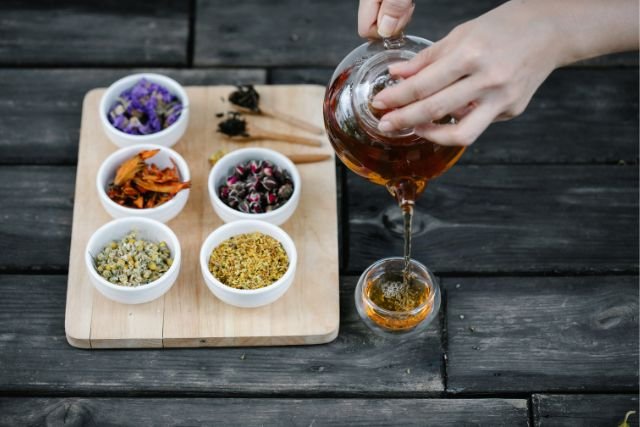
A racing mind can make even a quiet room feel loud. It can steal your focus, drain your energy, and make rest feel far away. If you are an introvert, that mental noise can feel even more draining because you do not need more stimulation. You need less. You need something simple, steady, and gentle. That is where herbs can help support a calmer mind and a softer end to the day.
Current medical guidance says some herbs may help ease anxiety symptoms or support calm, but research is still developing and safety can vary by product and person. So, herbs are best seen as support, not as a cure, and they work best when paired with sleep, stress care, and healthy daily habits.
Why Herbs Can Help
Herbs can turn calm into a ritual. A cup of tea, a soft scent, or a simple evening routine can help your body slow down before your mind follows.
That said, the strongest human evidence among common herbs points more clearly to lavender, chamomile, passionflower, saffron, and kava, while some others have early or mixed support. This means you do not need to try everything. You just need to start with what fits your body and your life.
8 Calming Herbs
Chamomile
Chamomile is one of the most loved herbs for calm, and NCCIH says two studies suggest a chamomile supplement might help generalized anxiety, though the findings are still preliminary. Mayo Clinic also says short use appears likely safe for many adults, but chamomile may raise bleeding risk with blood thinning medicine and can trigger allergies in people sensitive to ragweed family plants.
Chamomile is a good place to start if your mind races at night. It feels soft, familiar, and easy to work into a quiet routine.
Lavender
Lavender has some of the best support among herbal options for anxiety, and NCCIH says oral lavender may be effective while massage or inhaled lavender may also help, even though study quality is still limited. Mayo Clinic adds that oral lavender or aromatherapy with lavender may reduce anxiety, but oral forms can cause constipation, upset stomach, and headache.
For many introverts, lavender works well because it asks very little of you. You can sip it, diffuse it, or use it as part of a calm evening reset.
Lemon balm
Mayo Clinic says small studies suggest lemon balm may lessen worry and excitability, and it is usually well tolerated for short use. The same source notes that nausea and belly pain can happen for some people.
Lemon balm often feels light rather than heavy. That can make it a nice choice during the day when you want calm without feeling too sleepy.
Passionflower
NCCIH says a small amount of research suggests passionflower might help reduce anxiety, including anxiety before a dental procedure, though the evidence is not definite. Mayo Clinic says short use is likely safe when taken as directed, but it may cause sleepiness, dizziness, and confusion in some people.
This herb may be worth a look if your thoughts loop and your body feels tense at the same time. Still, it is smarter to use it when you do not need to drive or stay sharply alert.
Valerian
Valerian is often used for rest and stress, but NCCIH says there is not enough evidence to know whether it helps anxiety. Mayo Clinic adds that studies on valerian are mixed, and short use seems likely safe, though headache, dizziness, and sleepiness can happen.
Valerian may be more useful when a racing mind shows up with poor sleep. Even so, it is not one of the strongest choices if calm is your main goal.
Saffron
A systematic review found saffron among the botanicals with documented benefit for anxiety, and another review said saffron appears useful for anxiety or depression with a favorable risk benefit profile compared with standard treatments. Among herbal options, saffron has earned more respect in research than many people realize.
Saffron may be a strong option if your busy mind comes with low mood or emotional heaviness. It is small, bright, and surprisingly powerful.
Ashwagandha
Medical sources that review herbs for anxiety often include ashwagandha among the herbs thought to help ease anxiety symptoms. Even so, it does not appear in the NCCIH anxiety fact sheet with the same level of discussion as chamomile, lavender, so the evidence is not as clear in the sources reviewed here.
Ashwagandha gets a lot of attention for stress support. If you are curious, choose a simple product and avoid stacking it with several other calming supplements at once.
Basil
Some integrative wellness guidance lists basil among herbs used to calm the nervous system, often as tea or extract. The same source presents basil as one of several gentle plant options used to reduce stress and tension.
Basil feels easy because it can start in the kitchen. That matters when you want calm to feel natural and not like one more complicated task.
How to Choose the Right Herb
If you want the best blend of tradition, ease, and current support, start with chamomile, lavender, lemon balm, or passionflower. If you want stronger research interest, saffron also stands out.
A simple way to choose is to match the herb to the moment.
- For bedtime calm, try chamomile or lavender.
- If daytime tension, consider lemon balm.
- For looped thoughts with body tension, passionflower may fit.
- For a more research backed supplement option, saffron or oral lavender may be worth discussing with a health professional.
Use Them Wisely
NCCIH says dietary supplements can cause side effects and interact with medicines, and natural does not always mean safe. Mayo Clinic also warns that herbal supplement quality can vary, and some herbs can make you sleepy or increase the sedative effect of other products.
That means slow is smart.
- Start with one herb at a time.
- Use the lowest suggested amount on the label.
- Keep a short journal for mood, sleep, and side effects.
- Stop if you feel worse, foggy, dizzy, or unwell.
- Talk with a health professional first if you are pregnant, breastfeeding, taking medicine, or managing a health condition.
If anxiety is getting in the way of daily life, it is recommended getting real support because therapy, medication, exercise, relaxation techniques, and sleep care can all help. NCCIH also says mindfulness based practices and relaxation techniques may help reduce anxiety symptoms, which means herbs do not have to do all the work on their own.
Final Thoughts
Finding calm does not have to be hard or perfect. It can begin with one small choice today, like a cup of tea, a quiet moment, or a simple evening routine. Little by little, those gentle habits can help your mind slow down and your body feel safe again. If you are an introvert, quiet care is not weakness. It is wisdom. Give yourself permission to rest, reset, and protect your peace, because a calmer mind can help you feel more like yourself again.


